Downtown Las Cruces continues to invest in preserving the character that defines it. Historic buildings, long-standing businesses, and familiar streetscapes remain central to the district. These efforts keep downtown grounded while allowing it to grow and stay active.
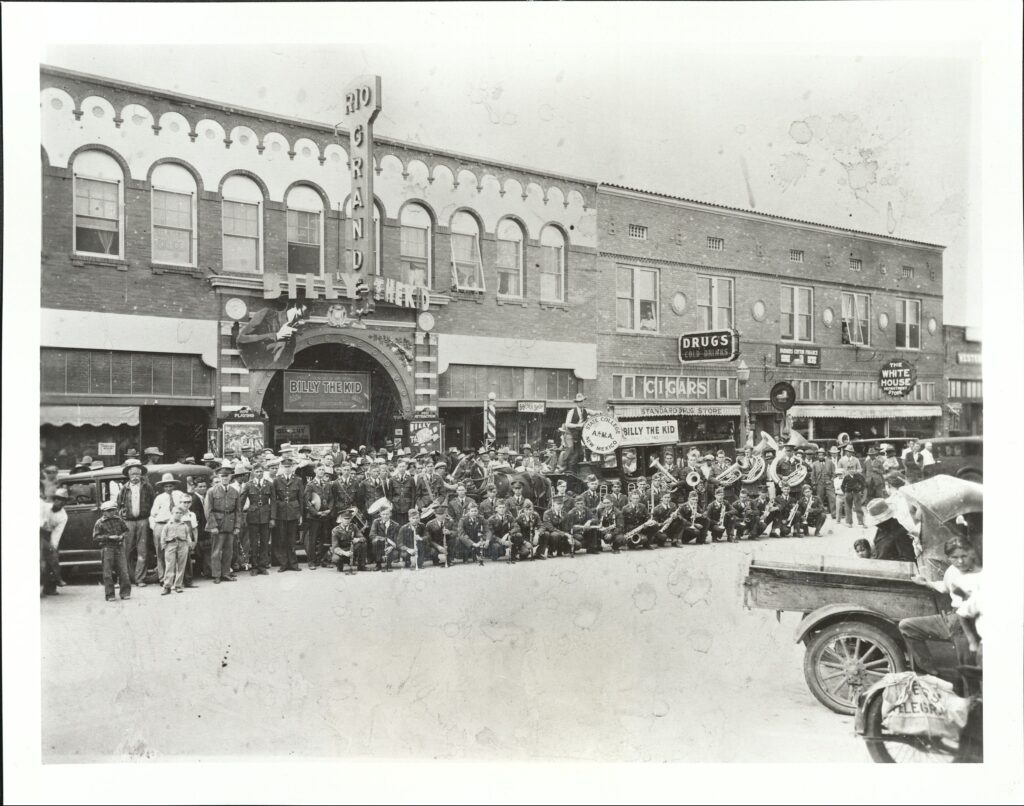
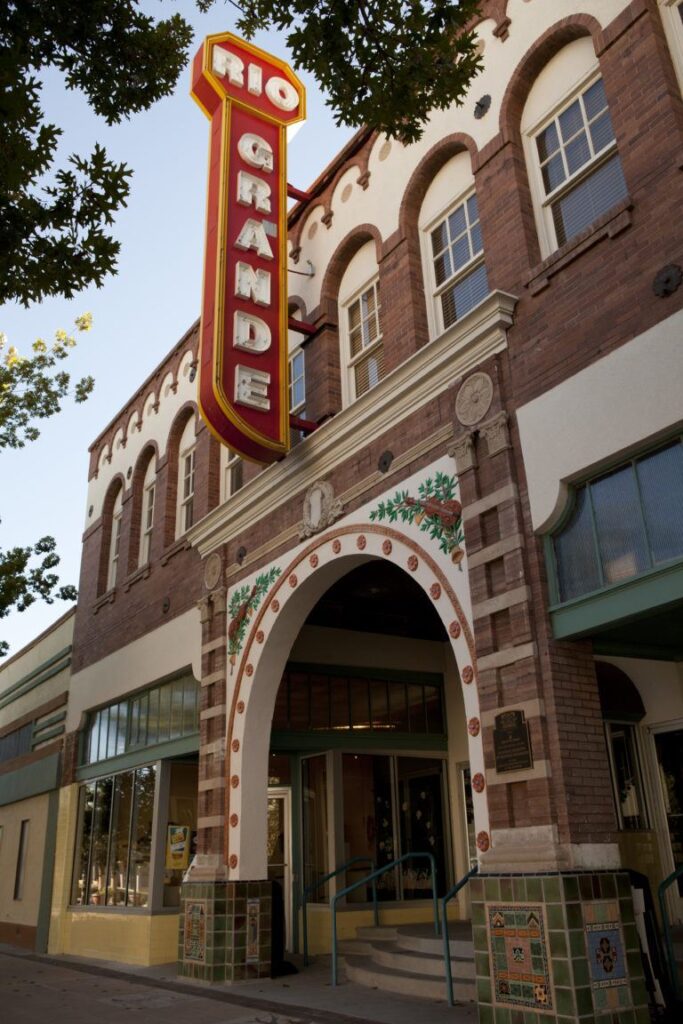
Preservation shows up in restored facades, updated interiors, and the continued use of historic spaces. The Rio Grande Theatre, now 100 years old, stands as a clear example. Opened in 1925, it now operates as a performing arts space while maintaining its original structure and design. Projects like this keep history visible and relevant.
The Amador Hotel is currently undergoing a massive restoration project. With help from the Amador Foundation, restoration should be completed by 2029.
The Arts and Cultural District builds on this work. Murals, performances, and public programming bring history into daily life. Local artists and cultural traditions shape how the space is experienced. These efforts make downtown more accessible and encourage community participation.
Together, preservation and the Arts and Cultural District support a downtown that reflects both its past and present. They strengthen local businesses, activate public space, and keep the district connected to the people it serves.